How to Plan Your First Lahbab Dunes Buggy Tour for the Best Desert Experience
Driving through the Lahbab red dunes is something that stays with you long after the dust settles. The sand here is a deep orange-red color, different from the golden dunes you find elsewhere in Dubai. It shifts constantly with the wind, which means every ride feels fresh. If you are thinking about booking a lahbab dunes buggy tour Desert Buggy Rental, you are already on the right track for a real off-road adventure. But a good trip takes a little planning, and I have picked up a few things over the years that can make your day smoother and more enjoyable.
Why Lahbab Stands Out
Most people who visit Dubai for the first time head straight to the more famous desert conservation areas near Al Awir. Those places are fine, but Lahbab gives you something else: bigger dunes, steeper faces, and fewer crowds. The sand is finer too, which means your buggy glides over it rather than bouncing off a hard crust. The red color comes from iron oxide in the sand, and when the late afternoon sun hits it, the whole landscape looks like it is on fire. It is beautiful but also practical for driving, because the color contrast helps you read the terrain better than pale sand does.
When you book a guided trip, the operators know these dunes well. They know which slopes hold their shape and which ones have soft patches that can bog a buggy down. That local knowledge matters more than you might think. I have seen people try to go it alone and end up stuck in a bowl with no idea which way is up. A good guide keeps you moving and shows you lines you would never spot on your own. That is why a lahbab dunes buggy tour Desert Buggy Rental is worth the investment, especially if you have never driven on sand before.
What to Expect on the Day
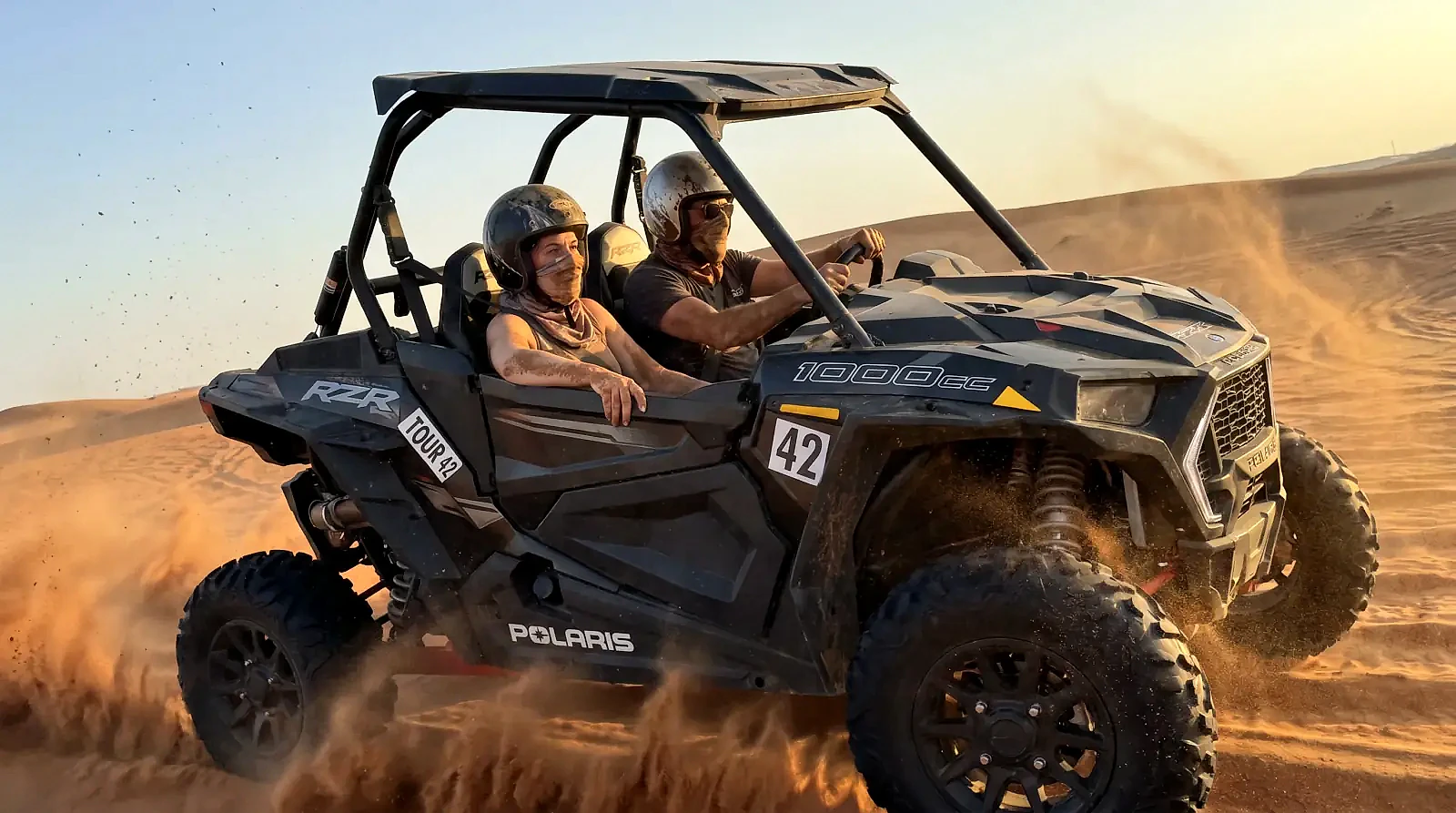
Your tour usually starts with a safety briefing. Do not tune this out, even if you have driven off-road before. Sand driving is different from dirt or gravel. You need to keep your speed up on the climbs, lift off the throttle at the crest, and never slam the brakes on a downhill. The buggies themselves are built for this, with wide tires, low center of gravity, and a roll cage. But the machine is only half the equation. Your judgment matters more.
Most tours run for about two hours, which is enough time to cover a lot of ground without wearing you out. You will stop a few times for photos and to let the engines cool. The guides usually pick spots with a view over the dunes, and the light at those moments is incredible. Bring a scarf or a face mask. The dust gets everywhere, and you will be coughing for a day if you do not cover your mouth.
What to Wear and Bring
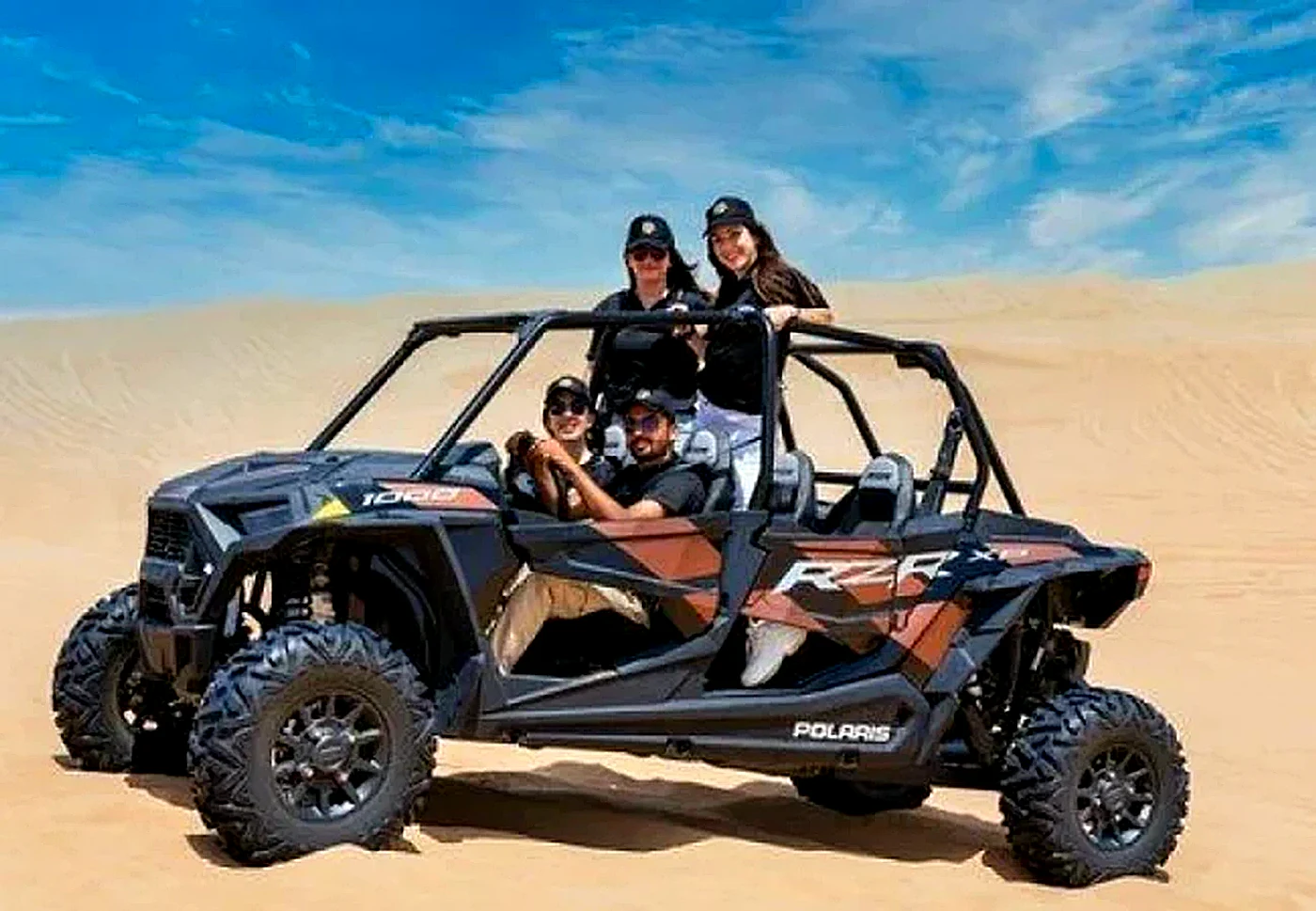
This is where a lot of people get it wrong. You do not need special gear, but you should dress intentionally. Closed shoes are essential. Sneakers are fine, but hiking boots or desert boots are better because sand gets into everything. Long trousers protect your legs from the heat of the engine and from the occasional stray branch if the trail goes near a ghaf tree. Sunglasses are non-negotiable, not just for style but because sand flicked up by the buggy in front can hit your eyes hard.
- Wear light, breathable fabrics. Cotton works well, but avoid anything that traps heat.
- Bring at least one liter of water per person. Tours often provide water, but having your own is safer.
- Apply sunscreen even if you think you will not burn. The reflection off the sand is brutal.
- Leave your phone in a sealed pocket or a dry bag. The vibration and dust can ruin electronics.
- If you wear glasses, secure them with a strap. I have watched more than one pair fly off into the dunes.
The buggies have a small storage compartment for a phone and keys, but do not count on it being dustproof. A small backpack that you strap in works better.
Driving Tips for First-Timers
Driving on sand takes a light touch. The biggest mistake beginners make is overcorrecting. When the buggy slides sideways, your instinct is to yank the wheel the other way. That usually flips you or digs the tires in. Instead, ease off the gas, let the slide slow down, then gently steer back onto your line. It feels wrong at first, but after ten minutes it becomes natural.
Another thing: do not follow the car in front too closely. The dust cloud can be thick enough that you lose all visibility. Give yourself at least five seconds of space. That also gives you time to react if the driver ahead stops suddenly or takes a different line than you expected. The guides will tell you this, but in the excitement people forget.
If you get stuck, do not spin the tires. That just digs a hole. Instead, stop, put the buggy in reverse, and back out along your own tracks. If that does not work, the guide will tow you out. It happens to everyone at some point, so do not feel embarrassed. The sand in Lahbab can be deceivingly soft in patches that look firm.
Timing Your Visit
The best time for a lahbab dunes buggy tour Desert Buggy Rental is between November and March. The weather is cool enough that you can drive comfortably in the middle of the day. Summer tours exist, but they start at sunrise and end by 9 a.m. because the heat becomes dangerous after that. The dunes themselves change with the seasons too. In winter they hold their shape better because the sand is slightly damp from the occasional rain. In summer they are bone dry and loose, which makes for a more technical drive.
If you can, book the sunset slot. The light turns the dunes a deep red, and the temperature drops fast. The downside is that everyone wants that slot, so the trails can get busier. If you prefer a quieter ride, the morning slot at 7 a.m. gives you empty dunes and cooler air, but the light is flatter for photos.
Safety and Preparation
Desert Buggy Rental operates with licensed guides who know the terrain and carry first aid kits, radios, and recovery gear. That is important because the Lahbab area is remote. Phone signal is patchy, and you cannot rely on GPS alone, the sand shifts so fast that tracks on a map become meaningless after a few days. The guides use physical landmarks and experience to navigate.
Before you set off, check the buggy yourself. Look at the tire pressure. Sand driving needs lower pressure for grip, but too low risks damaging the rim. Ask the guide what pressure they run. Check the seatbelts too. The ones in these buggies are four-point harnesses, not the simple lap belts you find in a car. They take a second to fasten properly, but they can save you from a bruised spine on a hard landing.
One thing I always tell people: respect the dunes. They look like soft waves, but they are heavy, shifting, and indifferent. A dune that was gentle yesterday can have a steep drop-off today. That is why you stay on the guide's line and never break off on your own. The desert does not give second chances.
Final Thoughts
A buggy tour in Lahbab is one of those rare activities that delivers exactly what it promises: real speed, real dust, and real adrenaline. But the difference between a good trip and a great one often comes down to the small things you do beforehand. Dress right, listen to the briefing, keep your distance, and let the guide show you the lines. If you do that, you will leave with a grin and a memory that lasts longer than the sand on your clothes.
Whether you are a first-timer or a seasoned driver, the red dunes of Lahbab have something to teach you. The best way to learn it is from the driver's seat of a buggy, with the engine behind you and open sand ahead.
Follow Desert Buggy Rental on
 Facebook
 Instagram
 YouTube
 Pinterest